






ISRO is gearing up for a significant Flight Test Vehicle Abort Mission, a critical part of its ambitious Gaganyaan human space mission. This test is scheduled to take place this Saturday between 7 am and 9 am, according to an announcement by the space agency.
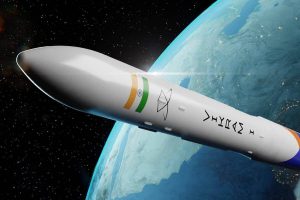
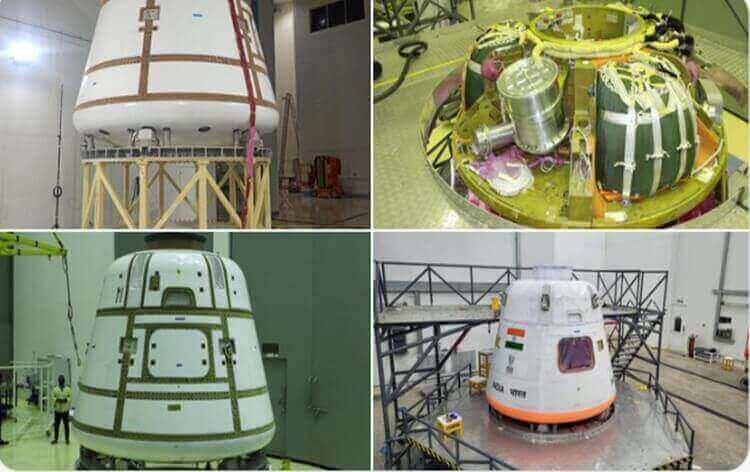
The Test Vehicle being used is a single-stage liquid rocket designed specifically for this abort mission. The mission involves testing the crew module (CM) and crew escape systems (CES), among other payloads.
During the flight, the mission will simulate an abort scenario during the rocket’s ascent. The crew escape systems and crew modules will be separated from the test vehicle at an altitude of approximately 17 km. Following this separation, an autonomous abort sequence will commence, including the deployment of parachutes, ultimately leading to a safe crew module touchdown in the sea, about 10 km off the coast of Sriharikota.
The crew module, after undergoing electrical testing at ISRO’s Bengaluru facility, was dispatched to Sriharikota on August 13.
This test is a significant milestone in the Gaganyaan program, as it represents the integration of a nearly complete system for a flight test. The success of this mission will pave the way for further qualification tests and unmanned missions, ultimately leading to India’s first Gaganyaan mission with Indian astronauts.
ISRO Chief S Somanath has indicated that there will be at least three more tests of a similar nature in the near future.
The Gaganyaan project aims to demonstrate India’s capability for human spaceflight by sending a crew of three members into orbit at an altitude of 400 km for a three-day mission, followed by a safe return to Earth with a landing in Indian sea waters.
This mission will establish India as the fourth nation in the world, after the United States, Russia, and China, to conduct a manned spaceflight. A crucial aspect of this mission is the use of drogue parachutes, which are essential for stabilizing the crew module and reducing its velocity during re-entry to ensure a safe return.
(Inputs from ANI)